
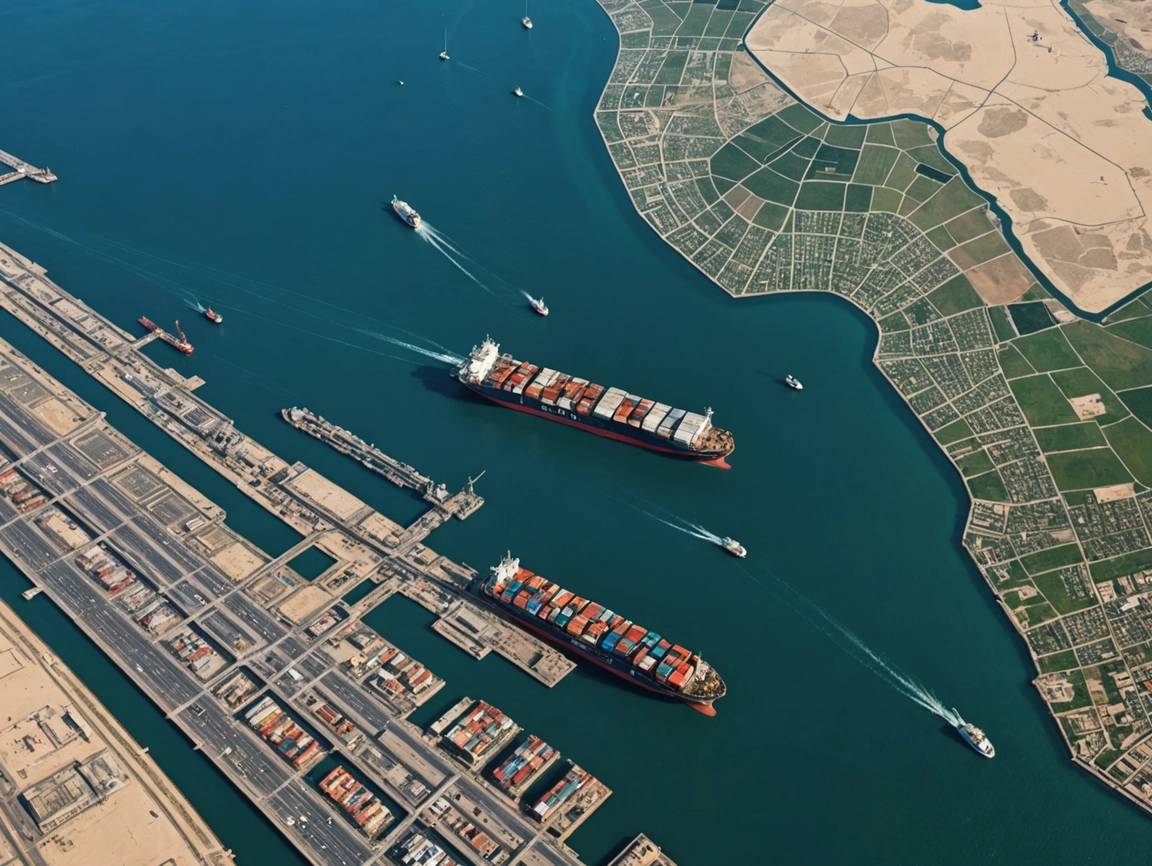
The Africa–Qatar economic corridor is quietly becoming one of the most interesting shifts in global business, yet it rarely gets the attention it deserves. While headlines often focus on the UAE or Saudi Arabia, Qatar has been deepening ties across Africa through investment, aviation, diplomacy, logistics, and development partnerships. That makes the story not just about money, but about how influence is being built through connectivity, trust, and long-term positioning.
What makes this corridor especially significant is the way it blends strategy with scale. Qatar has identified Africa as important for energy, food security, infrastructure, and future growth, while African governments increasingly seek partners that can move quickly and bring flexible capital. In practical terms, this means more attention to sectors like ports, agriculture, energy, minerals, and aviation — the infrastructure that turns a relationship into an economic lane.
Part of why this story remains underreported is that Qatar tends to operate quietly. Its approach is more relationship-driven than headline-driven, and that can make its moves harder to spot until they are already embedded in projects and institutions. But for founders, investors, and policymakers, this corridor matters because it signals a broader shift: Africa is no longer just a recipient of outside capital, but a strategic partner in a South–South economic network.